
Source: The Global AI Skills Community For Lawyers
Forget the marketing decks. Here’s what lawyers are really doing with AI tools behind closed doors, based on conversations with practitioners from BigLaw to in-house counsel.
ChatGPT: The Unofficial Training Ground
Almost every lawyer mentioned ChatGPT, but not for finished work. They’re using it to learn how AI thinks.
One called it their “Swiss-army knife of AI.” Another treats it like briefing a junior associate. The frustrations were consistent: “not deep enough,” “can’t produce client-ready outputs,” “hallucinations.”
But here’s what matters: lawyers are learning AI by doing, not through training programmes. Those giving clear context and constraints are building habits that transfer to every future tool. Those using generic prompts get generic results.
The Trust Problem
Specialised legal AI exists. Spellbook for contracts. Harvey for documents. GC AI for playbooks. Lawyers use them, always with caveats: “It’s not there yet.” “Needs sense-checking.” “Not client-ready.”
They want reliability, not just speed. They want outputs they’d show clients without triple-checking. Until that happens, they’ll keep returning to manual review because it’s safer.
Integration Beats Innovation
“The next leap will be when AI works where I already am, instead of me jumping between platforms,” one lawyer said.
This captures everything. Microsoft Copilot is gaining ground precisely because it lives where lawyers already work. The resistance isn’t about hating technology. It’s about workflow friction.
Strategy vs Dabbling
The biggest divide wasn’t between tools but between lawyers who dabble and those who use AI strategically.
One treats Claude like a junior lawyer: detailed context, specific framework, usable outputs first time. Most lawyers ask for generic outputs instead of treating AI like a sophisticated assistant. The competitive edge isn’t the tool. It’s the workflow mindset.
Culture Is the Bottleneck
Every lawyer mentioned hallucinations, accuracy, trust. One stated: “No legal AI platform is risk free. Every lawyer must verify everything.”
This isn’t about technology. It’s about law’s culture: risk-averse, reputation-driven, client-centred. Even experimenters treat verification as non-negotiable. The adoption curve won’t be driven by vendors but by slowly building cultural trust inside firms.
What’s Actually Being Used
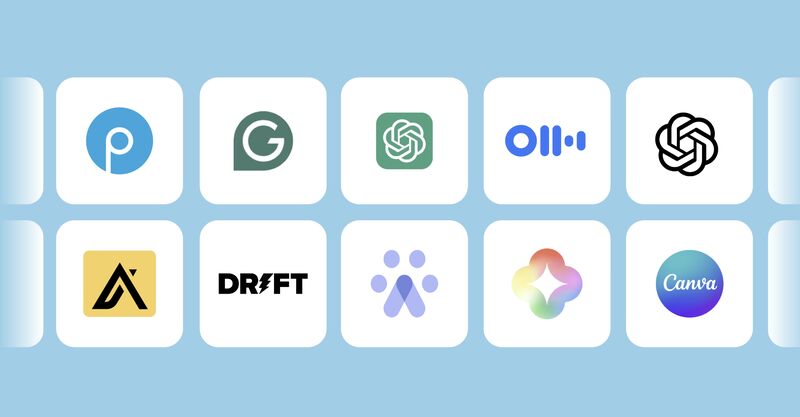
Core legal: ChatGPT (learning), Claude (writing), Spellbook (contracts), Harvey (documents), GC AI (playbooks)
Supporting areas moving faster: Canva AI (marketing), Fireflies (transcription), Billables.ai (billing), NotebookLM (knowledge capture)
The message is clear. Lawyers aren’t waiting for perfect platforms. They’re experimenting cautiously, always with one eye on risk. The question isn’t which AI tool wins. It’s which lawyers figure out how to use these tools strategically whilst competitors debate whether to use them at all.
Read more: The Global AI Skills Community For Lawyers