

Hello legal innovators!
This month, we’re diving into:
- The Modern GC Reality: From legal gatekeeper to strategic everything – the GC role isn’t expanding, it’s being completely reimagined.
- AI Didn’t Break Law Firms: Ted Theodoropoulos reveals uncomfortable truths – law firms were already broken, AI just made denial impossible.
- Behind Closed Doors: What lawyers are actually doing with AI tools – experimenting cautiously with one eye on risk, not waiting for perfect platforms.
- The Great In-House AI Paradox: 67% of in-house teams use GenAI and see massive gains, yet 80% aren’t requiring outside counsel to use it. This contradiction won’t last.
- The AI Legal Tech Six: Who’s actually building the future whilst others just talk – six companies deciding how transformation happens and who controls the platform.
Now, let’s jump right in!

The Modern GC Reality: From Legal Gatekeeper to Strategic Everything
The general counsel role has exploded beyond recognition. Once confined to compliance checks, today’s GC needs enough skills to fill a wardrobe – from strategic planner to tech expert to crisis manager. The “department of no” has become the boardroom’s indispensable problem-solver.
Key Takeaway: Modern GCs aren’t just preventing courtroom appearances – they’re strategic partners designing initiatives, managing budgets, vetting AI tools, and navigating regulatory explosions across every company operation. The role isn’t expanding – it’s being completely reimagined.
The Transformation: GCs were once emergency brake systems arguing against risk. Now they’re directly involved in strategic planning, not just evaluating it. Corporate scandals, activist shareholders, and technological disruption transformed the role from pure defense to active partnership.
Essential Skills:
Soft Skills: Communication without legal jargon, business acumen across departments, time management without micro-managing.
Management Skills: Operations and financial management, third-party vendor vetting for security risks, regulatory compliance design, legal project management.
Tech-Savvy: Understanding AI licensing and IP issues, data security protocols, social media risks, using data analysis tools to identify emerging litigation exposures.
Call to Action: The GC role will only grow more challenging as regulations multiply and technology advances. Are you developing the diverse skillset required, or still operating as the legal department everyone avoids until there’s a problem? 🎯⚖️
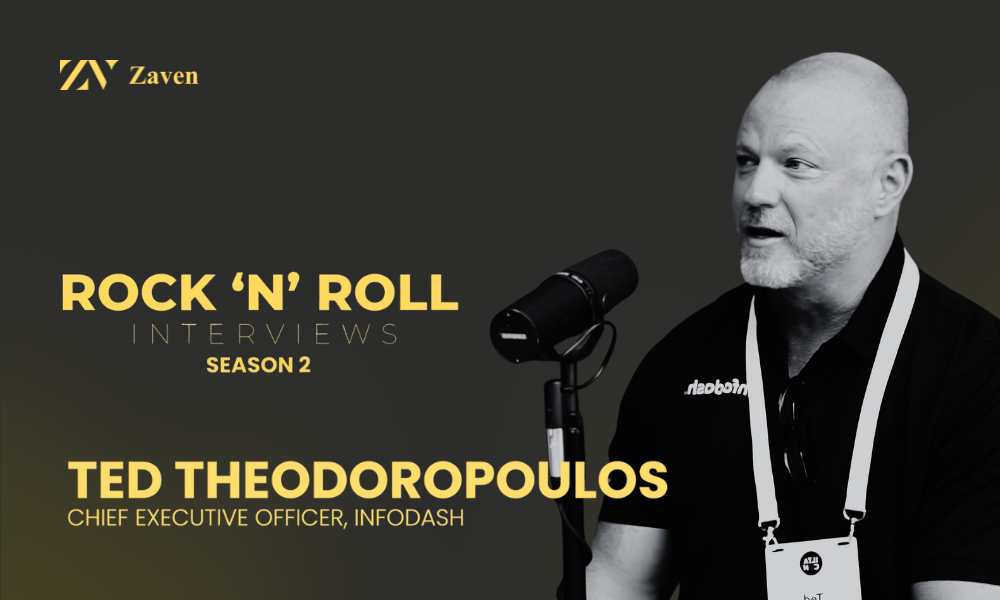
Beyond AI Hype: The Four Disruptions Actually Transforming Legal Practice
Ted Theodoropoulos (CEO, Infodash) delivers uncomfortable truths in the latest Zaven Rock and Roll interview: AI isn’t transforming law firms – it’s forcing them to fix business models that never made sense. Compensation models, pricing structures, and partnerships are “under siege” because none align with tech-enabled legal delivery.
Key Takeaway: Whilst everyone obsesses over AI capabilities, the real story is how it exposes foundational problems law firms ignored for decades. The billable hour, reactive relationships, terrible data, and risk-averse partnerships can’t survive when AI automates at scale.
The Breakdown:
Compensation Delusion: “We judge lawyers ruthlessly based on billable hours and very few firms, if any, measure profitability of the lawyer’s contribution.” That must change as billable hours diminish.
Reactive Problem: “Law firms sit around and wait for the phone to ring.” The opportunity? Tell clients they have problems before they even know it.
Data Disaster: “Law firm data sucks.” Five years ago, data scientists were rare in law firms. “I see ’em all the time now” as firms realise you can’t price alternative fees without understanding delivery costs.
Call to Action: Is your firm confronting uncomfortable truths about its business model, or hoping AI goes away? The firms investing in data and reimagining client relationships will survive. The rest will discover AI didn’t kill them – their business model already did. 🎯⚖️
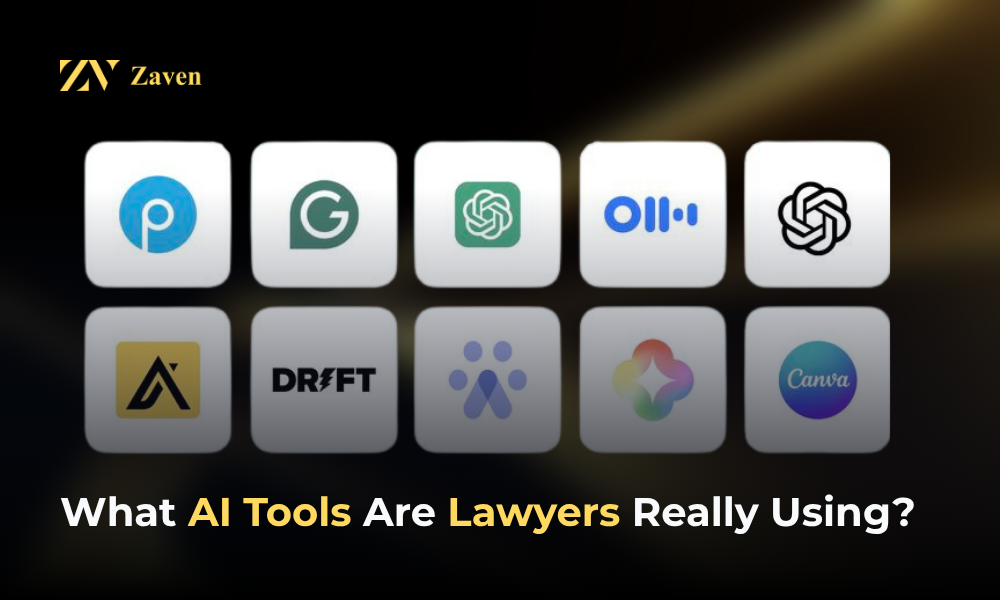
Behind Closed Doors: What Lawyers Are Actually Doing With AI
Here’s what lawyers are really doing with AI tools: experimenting cautiously with one eye on risk, not waiting for perfect platforms.
Key Takeaway: The competitive edge isn’t the tool – it’s the workflow mindset. Lawyers treating AI like sophisticated assistants with detailed context get usable outputs. Those asking generic questions get generic results.
ChatGPT – The Training Ground: Almost every lawyer uses ChatGPT, but not for finished work. They’re learning how AI thinks. Frustrations are consistent: “not deep enough,” “hallucinations,” “not client-ready.” But they’re learning by doing, not through training programmes.
The Trust Problem: Specialised tools exist – Spellbook, Harvey, GC AI. Lawyers use them with caveats: “needs sense-checking,” “not client-ready.” They want reliability, not just speed. Until that happens, manual review remains safer.
Integration Beats Innovation: “The next leap will be when AI works where I already am, instead of me jumping between platforms.” Microsoft Copilot is gaining ground because it lives where lawyers already work.
Culture Is the Bottleneck: This isn’t about technology – it’s about law’s risk-averse, reputation-driven culture. The adoption curve won’t be driven by vendors but by slowly building cultural trust inside firms.
Call to Action: The question isn’t which AI tool wins. It’s which lawyers figure out strategic use whilst competitors debate whether to use them at all. Are you experimenting or still waiting for permission? 🤖⚖️
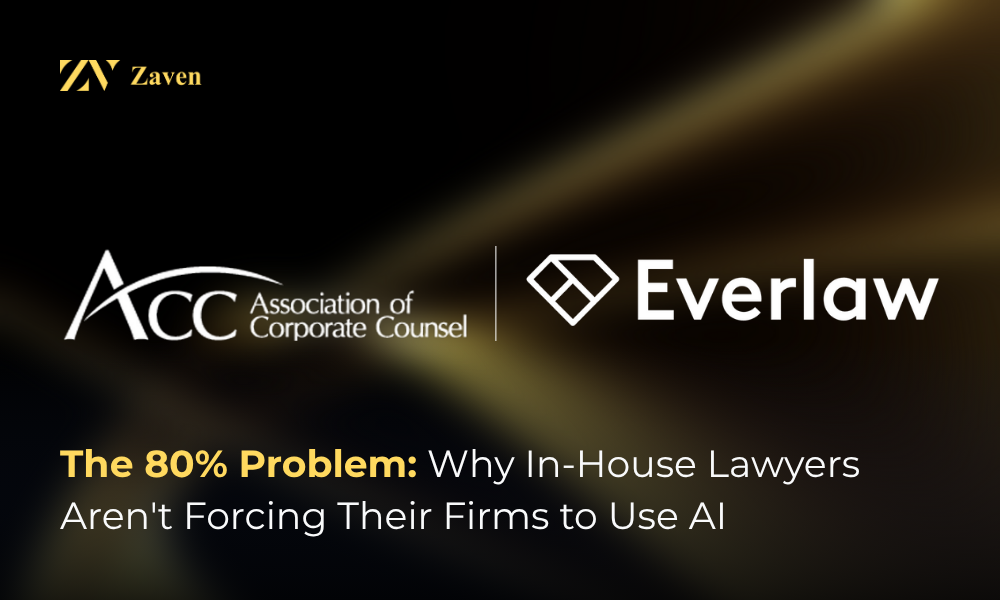
The Great In-House AI Paradox: Using GenAI Whilst Letting Outside Counsel Ignore It
A new ACC/Everlaw study reveals a stunning contradiction: 67% of in-house legal teams are using GenAI and seeing massive efficiency gains, yet 80% aren’t requiring their outside counsel to use it. This paradox won’t last – and when it breaks, law firms face their reckoning.
Key Takeaway: In-house counsel see AI’s power daily but let outside lawyers stay “fat, dumb and happy” on billable hours. That cognitive dissonance can’t persist when 64% expect to rely less on outside counsel as AI adoption grows.
The Numbers:
- 67% of in-house now using GenAI (up from 38% last year), 91% report efficiency gains.
- 59% unaware if their law firms even use AI on their matters.
- 80% not requiring outside counsel to use GenAI – yet.
- Of firms claiming to use AI, 59% of in-house see no billing changes.
Why the Paradox? In-house counsel don’t want to interfere with how lawyers work, fear “sky-is-falling” warnings about AI mistakes, and can’t control outside AI use. Outside lawyers exploit this: “we have to check everything, so AI will just cost more.”
The Reckoning: As in-house teams see their own AI efficiency gains, they can’t help but recognise outside legal spend could plummet if firms used these tools. When clients finally demand change or flock to “AI-first firms” practising at a fraction of the time, traditional firms will discover their competition already ate them alive.
Call to Action: You’re seeing massive efficiency gains from AI internally but accepting excuses from outside counsel? Stop subsidising inefficiency. Demand AI adoption or vote with your budget and move to firms that actually use the tools you already trust. 🚨⚖️
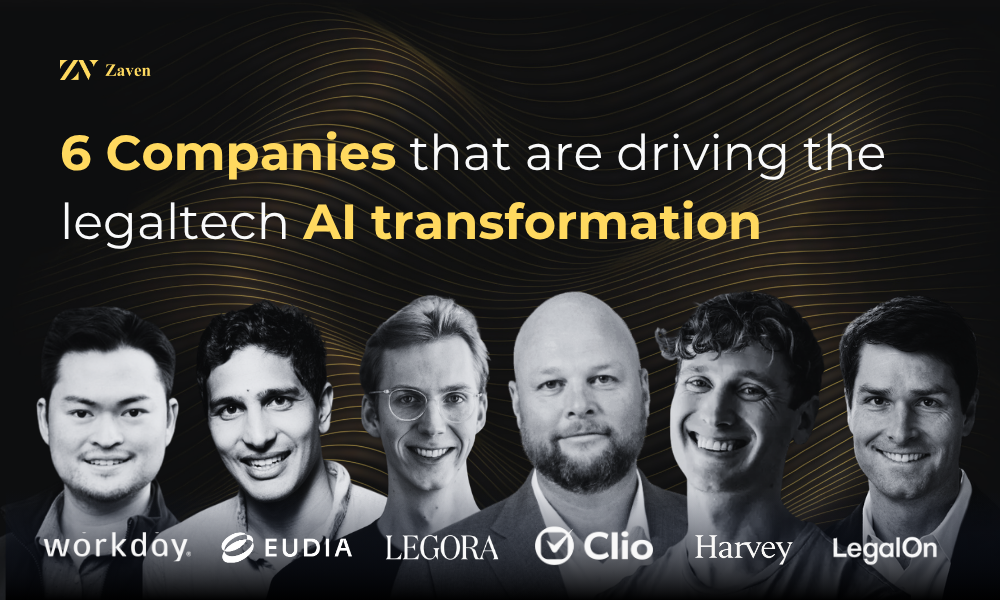
The AI Legal Tech Six: Who’s Actually Building the Future While Others Just Talk About It
The legal tech market is exploding from $27bn to a projected $47bn by 2030, and six companies are leading the charge. The FT identified the players who aren’t just experimenting with ChatGPT – they’re building the infrastructure that will reshape how legal work gets done.
Key Takeaway: Whilst most law firms debate whether AI is ready, these six companies have moved past the question. They’re deciding how transformation happens and who controls the platform.
The Six Pacesetters:
Harvey ($5bn valuation): Biggest and best-known, backed by Sequoia and OpenAI, with $100mn annual recurring revenue serving 500+ law firms globally.
Clio ($3bn valuation): Industry veteran acquiring vLex for $1bn to add 1 billion legal documents. CEO Jack Newton: “Quality in legal AI is determined by the quality of data your models are built on.”
Eudia: The contrarian bundling human intelligence with AI. Acquired 300+ legal professionals to act as quality control, arguing domains requiring 100% accuracy need humans regardless of AI advances.
LegalOn: Tokyo-headquartered serving 7,000+ companies with contract review software, backed by $200mn from Goldman Sachs. Betting specialist legal tech won’t be replaced by general AI assistants.
Legora ($675mn valuation): Swedish fast-grower reaching this valuation in under two years, serving 400+ firms whilst building for both human users and AI agents simultaneously.
Workday (Evisort): Enterprise giant saving 180,000 staff hours annually by automating review of 100,000+ contracts.
Call to Action: Whilst law firms debate AI ethics committees, these companies are building the infrastructure determining the profession’s future. Will your firm choose its platform strategically, or wake up to discover the decision was made for you? ⚖️🚀
This month’s quote
“Everyone knows what needs to be done. The hard part is getting people to do it.” – Larry Bossidy
This month’s articles reveal an industry trapped between knowing and doing. Modern GCs are reimagining their entire role from gatekeepers to strategic partners, yet most legal departments still operate as the team everyone avoids. Ted Theodoropoulos confirms what everyone suspected: AI didn’t break law firms – they were already broken with compensation models and pricing structures that never made sense.
Behind closed doors, lawyers are experimenting with AI tools cautiously, learning by doing rather than waiting for perfect platforms. Yet a stunning paradox emerges: 67% of in-house teams use GenAI and see massive efficiency gains, but 80% aren’t requiring their outside counsel to use it. How long can companies subsidise inefficiency whilst reaping AI benefits internally?
Meanwhile, six legal tech companies are building the platforms that will determine the profession’s future whilst firms debate whether to adopt AI at all.
The winners aren’t those with the best analysis. They’re the ones actually changing whilst competitors wait for the perfect moment that never arrives.
Ask yourself: What have you known needs to change for years but haven’t acted on?